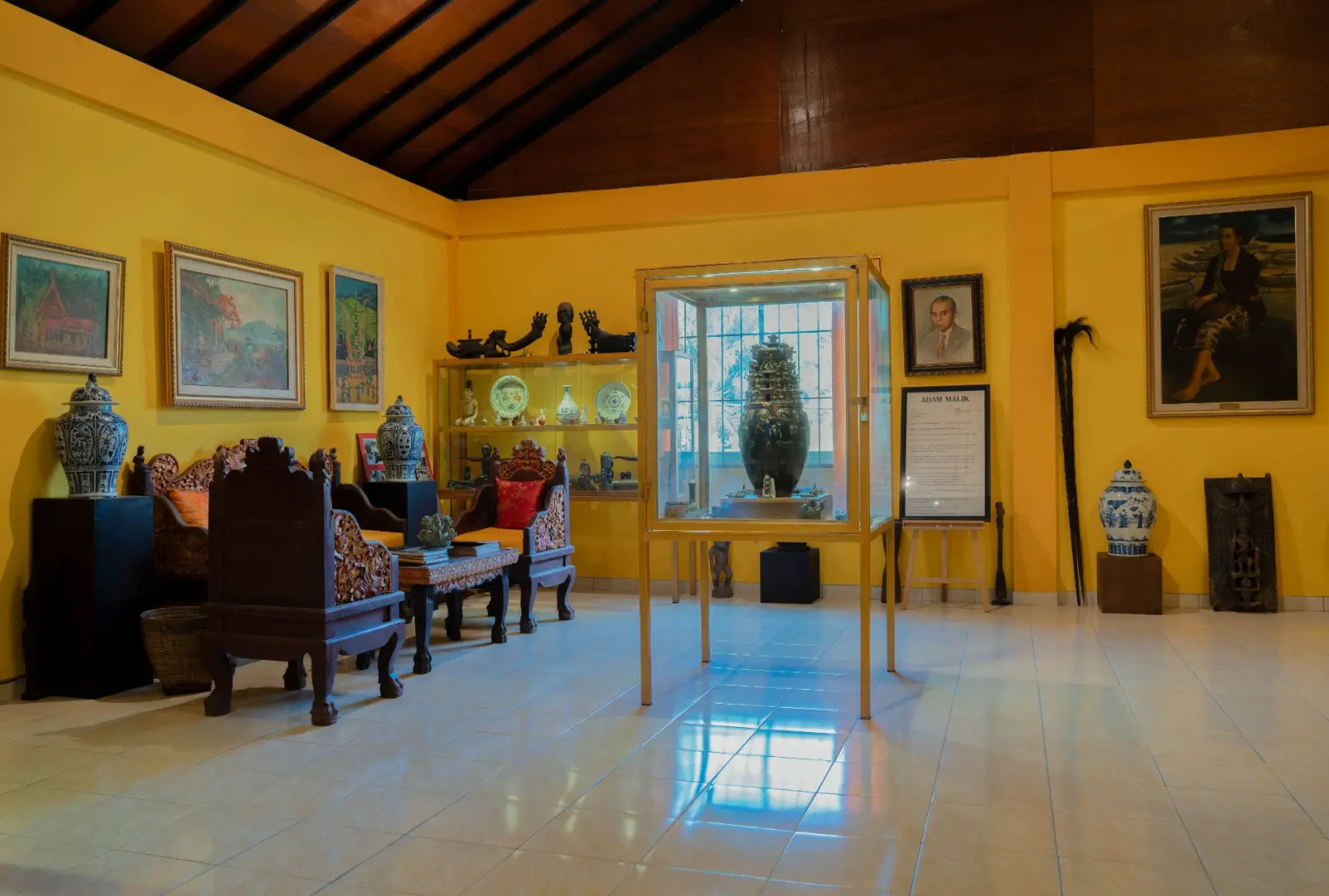
Adam Malik, a towering figure in Indonesian history, was a distinguished diplomat, influential politician, and pioneering journalist whose profound contributions shaped the nation's foreign policy and international standing. His legacy as a co-founder of ASEAN, a former President of the United Nations General Assembly, and Indonesia's third Vice President underscores his critical role in navigating the complexities of the Cold War era and establishing independent foreign relations for Indonesia.
Born in Pematangsiantar, North Sumatra, in 1917, Adam Malik's journey began far from the corridors of international diplomacy. His early life was marked by a nascent passion for journalism and a burgeoning sense of nationalism. At a young age, he became actively involved in the nascent independence movement against Dutch colonial rule, which ignited his commitment to public service and the pursuit of national sovereignty. This period significantly influenced his worldview and future career trajectory.
Malik's entrepreneurial spirit led him to co-found the Antara News Agency in 1937, an organization that would become Indonesia's national news agency. Through Antara, he provided a crucial platform for disseminating information, rallying public opinion, and fostering a sense of national identity during the struggle for independence. This journalistic foundation provided him with invaluable communication skills and a deep understanding of media's power in shaping national discourse and international perceptions. His role was instrumental in ensuring that the voice of the Indonesian people was heard, both domestically and on the global stage.
The transition from journalist to diplomat was a natural progression for Adam Malik, whose sharp intellect and strategic thinking were quickly recognized within the newly independent Indonesian government. He seamlessly moved into political roles, where his influence steadily grew, making him one of the most respected figures in Indonesian foreign policy. His diplomatic career was characterized by pragmatism and a steadfast commitment to peace and non-alignment.
Adam Malik served with distinction as Indonesia's Foreign Minister for a significant period from 1966 to 1977. During his tenure, Indonesian foreign policy was skillfully guided through the turbulent waters of the Cold War. He was a vocal proponent of the Non-Aligned Movement, advocating for newly independent nations to chart their own course without succumbing to the pressures of major power blocs. His efforts were pivotal in restoring Indonesia's international credibility and fostering relations with a diverse array of countries. These diplomatic initiatives were crucial for national development and stability.
His exceptional diplomatic acumen was globally recognized when he was elected President of the 26th session of the United Nations General Assembly in 1971. This prestigious position demonstrated the international community's trust in his leadership and his ability to mediate complex global issues. Furthermore, Adam Malik was one of the five founding fathers of the Association of Southeast Asian Nations (ASEAN) in 1967. His vision for regional cooperation laid the groundwork for an organization that has since become a cornerstone of stability and economic growth in Southeast Asia. The Jakarta Declaration, a key document of ASEAN's formation, bears the indelible mark of his diplomatic skill.
In 1978, Adam Malik's distinguished career culminated in his appointment as the third Vice President of Indonesia, serving until 1983. In this role, he continued to contribute to national development and political stability, leveraging his vast experience and wisdom. Even after stepping down from his official duties, his advice and insights were highly sought after. His impact on Indonesian political thought and international relations remained significant until his passing in 1984.
Adam Malik's life was a testament to dedication, strategic thinking, and a profound commitment to his nation and to global peace. His legacy continues to inspire future generations of Indonesian diplomats and leaders. His invaluable contributions to journalism, diplomacy, and statesmanship are an enduring part of Indonesia's national narrative. Artifacts and insights into his remarkable life and career can be further explored and accessed at the Museum PBC.